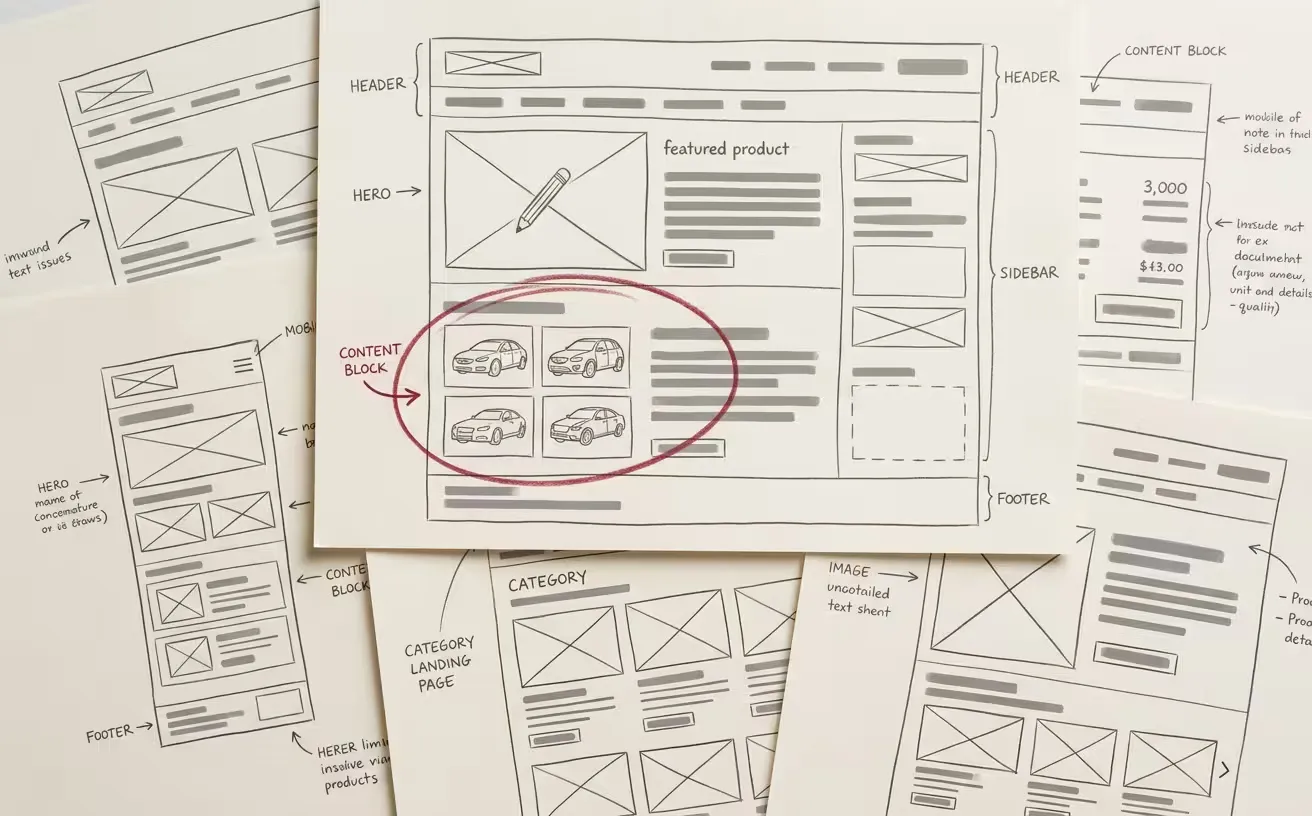
What Technical SEO Is and Why Your Website Needs It
The part of search ranking that lives in the code and that almost nobody explains. What Google looks at, how it is checked and what you can review yourself today.
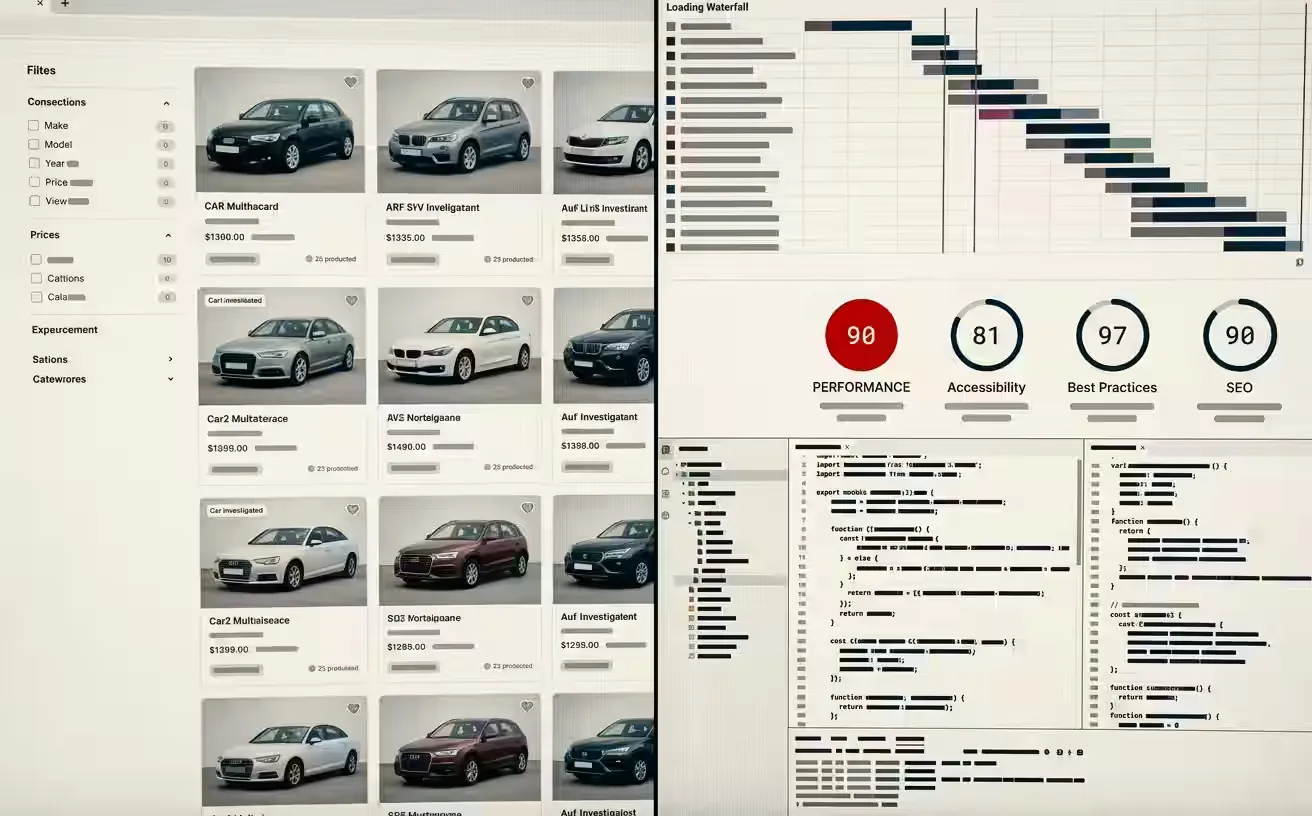
When people talk about SEO they almost always mean content: which words you use, which articles you write, who links to you. That is half the job.
The other half happens before any of that, and it decides whether Google even gets as far as reading you.
Technical SEO in one sentence
It is everything that lets a search engine get into your website, understand it and show it without tripping over.
You can have the best copy in your sector. If your page takes four seconds to load on a phone, if Google cannot find half of your URLs, or if your content depends on JavaScript the crawler never runs, that copy does not exist for anyone.
The four things that actually matter
1. It has to be crawlable
Google comes to your site with a limited time budget. If it spends that budget on duplicate pages, chained redirects or URLs that return errors, it never reaches what you sell.
What gets checked here: robots.txt, the sitemap, canonical URLs, broken links and redirects.
2. It has to be understandable
A website can look perfect and still be opaque to a machine. Headings have to follow a real order, every page needs a unique title and a hand-written description, and images need alt text that actually says something.
On top of that sit structured data: an invisible block of code that tells Google “this is a company, this is an article, this is a product and it costs this much”. It is what makes stars, prices or expandable questions show up in the results.
3. It has to load fast
Google measures three things in the browsers of your real visitors:
- LCP: how long the largest element on screen takes to appear. Under 2.5 seconds.
- INP: how long the site takes to respond when someone taps something. Under 200 milliseconds.
- CLS: how much the content shifts around while loading. That jump that makes you hit the wrong button.
These are not Google’s whims. They are the three most common ways for someone to leave your site before reading a word of it.
4. It has to work on mobile
Google indexes the mobile version of your site, not the desktop one. If content is missing on mobile, if buttons overlap, or if images weigh the same as they do on a computer, that is where your ranking is being decided.
Three things you can check yourself today
Type site:yourdomain.com into Google. It shows you which of your pages are indexed. If far fewer appear than you actually have, or strange URLs show up, you have a crawling problem.
Run your site through PageSpeed Insights. Look at the field data tab, which is real visitors rather than a simulation.
Open your site on your phone using mobile data, not wifi. Count in your head until you can read something. If you get to three, you have work to do.
When it gets done
Here is the detail that ends up costing money: technical SEO is done while the website is being built, not afterwards.
Fixing the URL structure of a site that is already live means setting up redirects, losing authority along the way and waiting months for Google to settle everything again. Doing it right from the start does not cost more — it costs the same.
That is why we include it in every website we build. It is not an extra to be invoiced separately: it is part of delivering a finished website.
In short
Technical SEO will not put you first on its own. What it does is clear away everything stopping your content from competing. It is the floor, not the ceiling.
If you want to know what shape yours is in, write to us and we will take a look. And if you are starting a website from scratch, see how we build them before deciding anything.